A Complete Dog-Sitting Checklist for Puppies, Adults, and Seniors

Written & Illustrated by
Matthew James Taylor
Kidsit Founder, General Manager
A dog who knows every corner of the house may still act differently when their favorite person leaves. One might skip breakfast. Another may bark at the door, while a senior dog could struggle with an unfamiliar walking schedule. For a pet sitter, these small changes matter.
Good dog sitting starts before the first feeding or walk. You need clear instructions, a safe environment, and a plan that suits the dog's age and temperament. This checklist helps pet owners prepare for a handover and gives sitters practical steps to follow throughout the stay.
Before the Owner Leaves: Get the Details in Writing
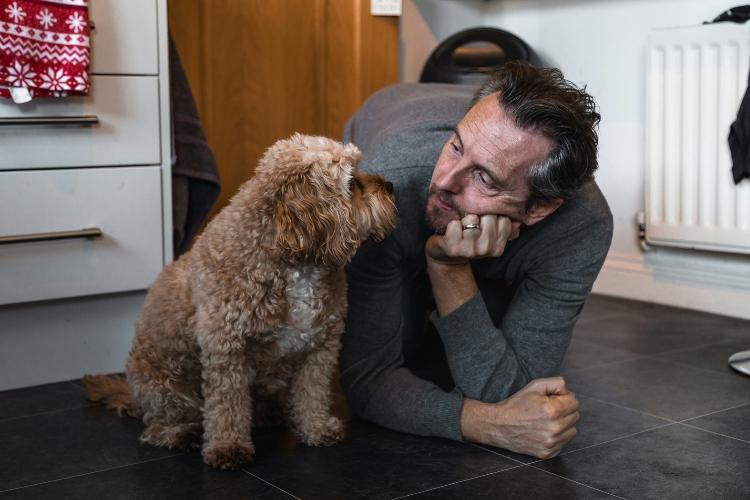
Arrange a meet-and-greet while the owner is home. Watch how the dog responds to your voice, approach, and handling. Ask the owner to show you how to put on the harness, serve meals, and settle the dog at bedtime. If the dog hides or growls, give them space rather than forcing an introduction.
Create a care sheet that answers the questions you shouldn't have to guess about:
- Contacts: Record the owner's number, a backup contact, the regular veterinarian, and the nearest emergency clinic.
- Access: Test keys, door codes, gate latches, and the location of cleaning supplies.
- Food: Note meal times, measured portions, allergies, approved treats, and where to find fresh water.
- Exercise: List usual walking routes, leash rules, toilet breaks, and any places or dogs to avoid.
- Behavior: Ask about separation anxiety, resource guarding, noise sensitivities, and escape attempts.
- Health: Write down medications, exact doses, administration times, storage instructions, and what to do after a missed dose.
- Emergencies: Agree on when to call the owner, who can authorize veterinary care, and how expenses will be handled.
Go through every item together. A dog who takes tablets hidden in food may refuse them from someone new. Ask for a demonstration rather than experimenting later. Keep medications in their original containers, out of reach of pets and children, and never change a dose without veterinary guidance.
Check the details for supplements and health-related chews, too. Pup Labs is one example of a brand owners may keep in their dog's usual routine; a sitter should never confuse those products with ordinary treats. Write down the product name and follow only the instructions the owner has cleared with their veterinarian.
If the job also involves babysitting, agree on separate spaces for meals, rest, and play. Never leave a young child alone with the dog, even when the family says they get along well.
For dogs already taking supplements, review the product information available at puplabs.com to familiarize yourself with the safe ingredients, feeding guides, and benefits. Keep the original packaging alongside the care sheet, and follow the owner's approved instructions rather than changing the dog's routine.
Before accepting the booking, confirm the dates, visit length, overnight expectations, payment arrangements, and whether the sitter may leave the dog alone.
Follow the Daily Food, Water, and Walking Routine
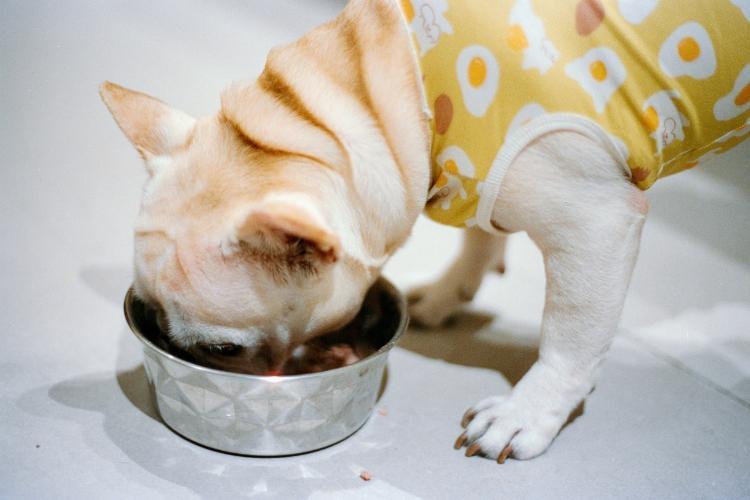
Start each visit with a quick check: Is the dog alert? Has anyone noticed vomiting, diarrhea, or unusual behavior? Check the water bowl, then follow the feeding plan exactly. Avoid giving table scraps or unfamiliar snacks, even if the dog begs convincingly.
Take the dog out on the owner's schedule, using a secure harness or collar with a leash. Confirm that identification details are current. Watch for loose gates, broken fencing, hot pavement, and objects the dog might swallow.
Afterward, note whether the dog ate, drank, urinated, and passed stool normally. These simple observations make it easier to spot a change before the next visit.
Give Puppies Extra Supervision and Patience
Puppies need more frequent toilet opportunities and closer supervision than many adult dogs. Take them outside after waking, eating, and playing, following the owner's house-training method. Praise successful toilet trips; don't punish accidents.
Keep shoes, electrical cords, medications, and small toys out of reach. Offer only owner-approved chew toys, and supervise play so the puppy doesn't swallow torn pieces.
Young dogs can become overtired even when they seem excited. Balance short training games with quiet rest, and use familiar cues instead of teaching conflicting commands. Ask about vaccination-related restrictions before visiting dog parks or letting them interact with unfamiliar dogs.
Keep Adult Dogs Active Without Changing Their Habits
Adult dogs often settle well when their day looks familiar. Match the owner's instructions for walking distance, play, rest, and time alone rather than assuming every dog wants a long run.
Try a short sniffing walk, a gentle game of fetch, or a food puzzle the owner has approved. Check that toys are intact and sized appropriately for the dog. If the dog becomes restless or overexcited, switch to a calmer activity.
Respect individual boundaries. Some dogs enjoy brushing and cuddles; others prefer to rest nearby without being touched. Let the dog approach you, especially during the first visit.
Adapt for Senior Dogs and Know When to Get Help
Older dogs may move more slowly, need more bathroom breaks, or struggle with slippery floors. Keep walks manageable, keep water within easy reach, and avoid making them climb stairs unnecessarily. Follow instructions for mobility aids, bedding, and prescribed treatments.
Take changes seriously at any age. Trouble breathing, collapse, seizures, repeated vomiting, or a swollen abdomen warrant urgent veterinary attention. Contact the emergency clinic promptly and notify the owner; don't wait for a routine update.
Send agreed-upon messages after visits, including meals, walks, toilet breaks, and any concerns. A short, factual note helps owners understand how their dog is coping without making them worry over normal behavior.
Final Thoughts
A good pet-sitting checklist does more than remind you to fill the food bowl. It tells you what is normal for this particular dog, what could go wrong, and what to do if it does.
Before the booking, walk through the care sheet with the owner and ask questions about anything unclear. During each visit, follow the established routine, check for changes, and keep communication straightforward. When care reflects the dog's age, health, and personality, the owner can leave knowing their pet has a familiar, thoughtful plan in place. Keep the checklist handy, but review it before every booking. A dog's needs can change.